Romantic Wedding Art for Couples 110: A Designer's Guide to Heartfelt Visuals
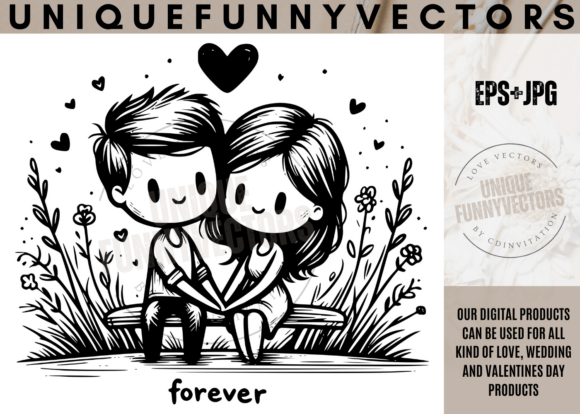
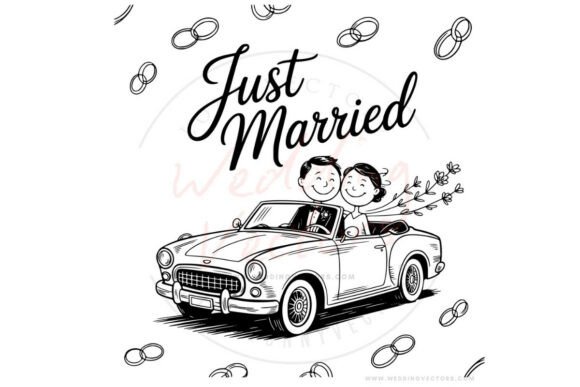
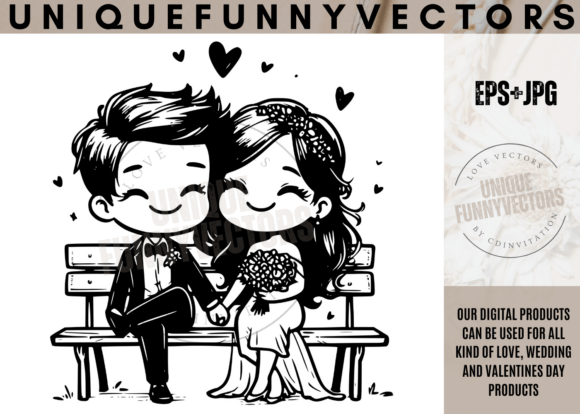
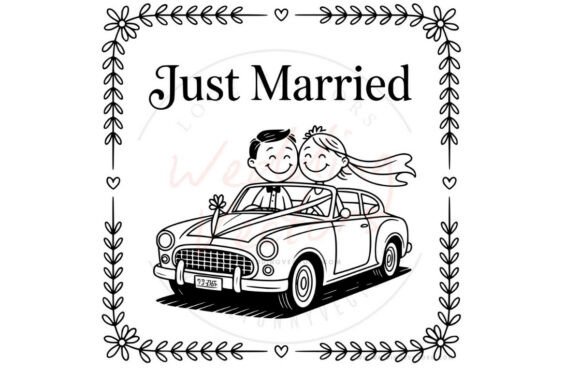
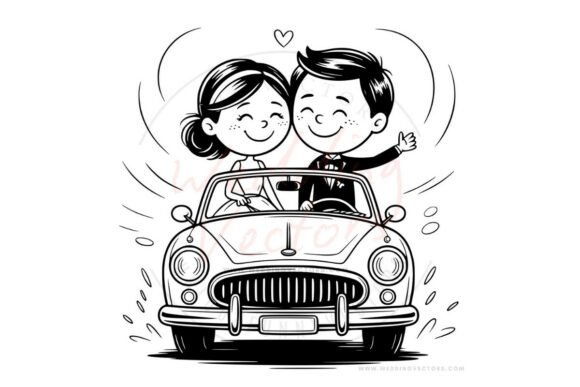
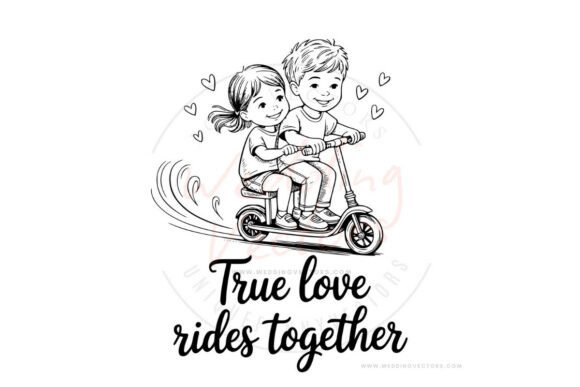
There is a specific kind of magic in a design that makes you feel something instantly. It’s not just about lines and colors, but about capturing a shared glance, a promise, or a lifetime of inside jokes. For creators tasked with visualizing love, finding assets that resonate on this emotional level can be a challenge. This is where thoughtfully crafted character art enters the scene, offering a solution that is both versatile and deeply personal. The collection known as Romantic Wedding Art for Couples 110 provides exactly this—a library of charming, love-filled cartoon characters designed to embody the warmth and joy of partnership.
These aren't merely cute illustrations; they are versatile design assets built for real-world application. For a graphic designer building a brand identity for a wedding planner, or a small business owner creating a line of personalized gifts, this style of art serves as a foundational visual element. Its universal appeal transcends specific trends, offering a timeless message of love that can be adapted to countless projects. The characters' expressive poses and gentle aesthetic make them ideal for conveying intimacy without words, a powerful tool in visual communication.
More Than Just Invitations: The Versatile Application of Couple Illustrations
While the immediate connection might be to wedding stationery, the utility of this romantic art style extends far beyond the ceremony. Think of it as a visual language for love that can be applied across diverse media. A branding specialist could use a simplified version of these characters as the core motif for a couple's counseling service or a dating app, creating an approachable and friendly brand identity. For packaging design, a single character pair can transform a simple gift box for chocolates or jewelry into a storytelling piece, instantly communicating the product's purpose and emotional value.
In the digital space, these illustrations shine. Social media managers for lifestyle brands or event planners can use them to create engaging Instagram stickers, Facebook cover photos, or WhatsApp stickers that followers will actually want to use. The art style lends itself perfectly to creating a series of themed content, from "Save the Date" announcements to anniversary celebration posts, ensuring visual consistency across a campaign. For website design, incorporating these characters into hero sections or blog post headers can make a site feel more human and relatable, particularly for businesses in the wedding, relationship, or gift industry.
Building a Cohesive Brand with a Playful Typeface
The true power of a resource like Romantic Wedding Art for Couples 110 is unlocked when it’s integrated into a broader design system. The key is to view the characters not as isolated elements, but as partners to typography, color, and layout. Imagine pairing these illustrations with a complementary script font for headlines and a clean, readable sans serif font for body text. This combination balances the playful charm of the art with the professionalism required for clear communication, whether on a wedding program or a product label.
For logo design, a minimalist line-art version of a couple could serve as a memorable icon. This icon can then be carried through to packaging design, editorial layouts in lookbooks, and even as subtle watermarks on personalized stationery. The goal is to create a cohesive visual experience. When a customer receives a thank-you card featuring the same character style as the wedding invitation they first saw, it reinforces brand recognition and shows a meticulous attention to detail that elevates the entire presentation.
Practical Considerations for Commercial Projects
Before diving into a project, a thoughtful review of the asset's components is crucial. Does the collection include variations in pose, expression, or customization options? Can the characters be easily isolated or integrated into complex compositions? Understanding these technicalities upfront saves time and ensures the final product meets professional standards. For any commercial use, verifying the licensing is non-negotiable. Ensure the license covers your intended application, whether it's for physical merchandise like mugs and t-shirts or for digital products sold online.
Testing is another critical step. Place the artwork in context early in the design process. How does it look on a mobile screen versus a printed booklet? Does it maintain its charm when scaled down for a favicon or a social media profile picture? Consider the surrounding design elements. A busy background might require a simpler version of the character art, while a minimalist layout might allow for a more detailed illustration. This iterative process of testing and refinement is what separates amateur projects from professional, polished designs.
Ultimately, the value of such a creative asset lies in its ability to connect. It provides designers and entrepreneurs with a shortcut to evoking genuine emotion, allowing them to build products and brands that people don't just see, but feel. By thoughtfully applying these charming characters, you can transform any project from a simple deliverable into a memorable keepsake, turning fleeting moments into lasting visual memories.